
Selecting between a Coworking space vs traditional office can be daunting, each option having unique benefits for businesses of various types and sizes.
But understanding their key differences will help you make an informed decision based on factors like cost, flexibility, and work environment – let’s break them down to help make an informed decision that meets your business needs.
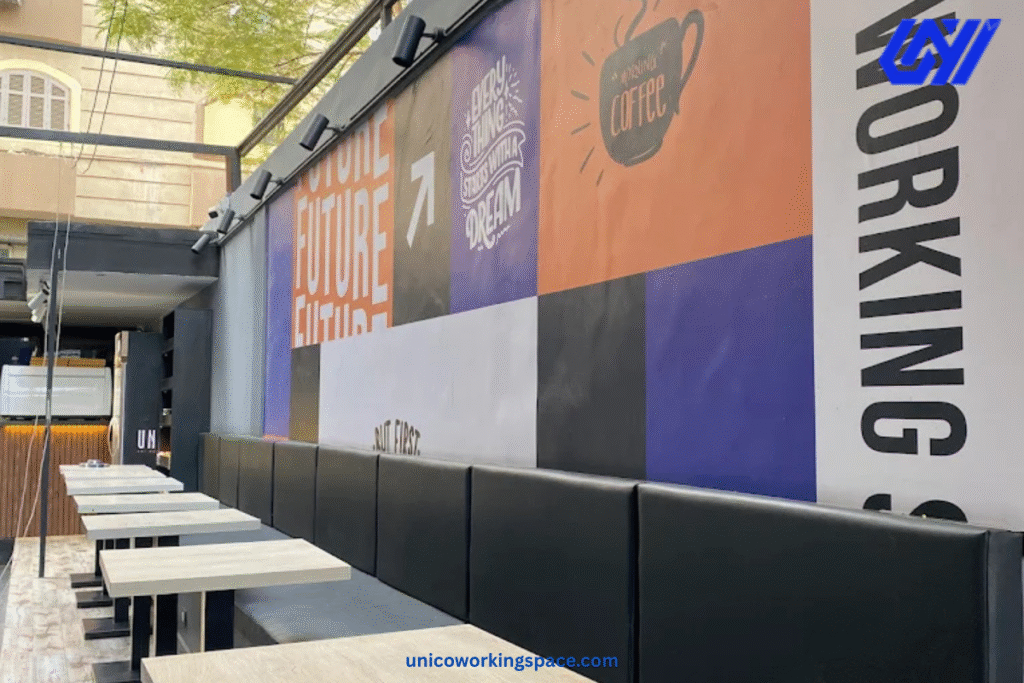
1-Cost Comparison
Coworking spaces often present more affordable options for businesses in their early stages. A membership typically covers expenses such as utilities, internet connection, and cleaning – sometimes even including coffee or snacks! This way, no long-term lease is necessary as membership covers many expenses such as utilities, internet connection, and cleaning service fees.
Traditional offices involve higher upfront costs. Leasing requires an initial deposit and long-term commitment, plus the costs for utilities, furniture, and maintenance expenses, which quickly add up – especially for smaller businesses.
Coworking spaces also offer flexible pricing plans and can accommodate everything from single desks to private offices as needed. Traditional offices tend to lock you into fixed spaces that make adapting to growth or downsizing more challenging.
2-Flexibility and Scalability
Flexibility and Scalability are hallmarks of success for any successful organization.
Flexible coworking spaces offer many advantages. From hot desks, dedicated desks and private offices to expanding as your business does. Upgrading to larger space is simple.
Traditional offices require long-term lease agreements that limit your ability to scale quickly. Downsizing or breaking a lease can be expensive and time consuming; coworking spaces allow businesses to adapt according to their changing needs without lengthy commitments.
Startup and small business enterprises understand the value of flexibility when it comes to leasing office space; you only pay for what you use and avoid unnecessary expenditure.
3-Community and Networking Opportunities
Coworking spaces foster an outstanding sense of community. Through networking events, workshops, and shared spaces, they facilitate interaction that leads to mentorship relationships or simply exchange of ideas – coworking environments provide invaluable connections.
Traditional offices tend to be fewer collaborative environments, offering few chances for collaboration among employees from multiple businesses nearby. Employees tend to remain within their teams, restricting networking potential.
Coworking spaces encourage collaboration by connecting you with professionals from diverse industries. This diversity can open doors to insights, partnerships, and opportunities you wouldn’t usually discover in traditional offices, then you should know the differences between Coworking space vs traditional office
4-Work Environment and Productivity
An optimal workplace enhances productivity. Coworking spaces offer a mix of open areas, quiet zones, and collaborative areas, allowing you to tailor the environment to suit your work style – such as switching environments throughout the day for added focus and motivation.
Traditional offices provide structure, but can feel immovable or restrictive. Although they offer privacy, they tend not to provide enough variety, which may lead to stagnation for small teams working there. With limited space and networking opportunities limited in number.
Coworking spaces provide the ideal blend of collaboration and focus, such as at UNI Workspace is the best coworking spaces in egypt, where there are spaces dedicated to deep work, team collaboration, and everything in between.
5-Amenities and Services
Coworking spaces provide all of the essential services under one membership agreement: high-speed internet, meeting rooms, office supplies, and coffee are included as standard; many spaces also provide snacks, community events, and social activities to enhance work experiences further.
Traditional offices require separate contracts for utilities, cleaning services, and internet connectivity – adding time-consuming management burdens and costs for small business owners.
Coworking spaces like Uni Coworking Space make operations more streamlined.
From meeting rooms to communal lounges, each element of these coworking spaces is tailored towards helping employees work efficiently without incurring unnecessary administrative tasks.
FAQs About Coworking space vs traditional office
What is the difference between office space and coworking space?
Coworking spaces provide shared environments to house multiple businesses, while traditional offices provide dedicated physical workspace for one business. The option you select will depend on your company’s individual requirements and values.
What is the difference between a coworking space and a private office?
Coworking spaces offer an engaging space ideal for professional networking. Their open plan designs facilitate collaboration among various professionals, while private offices provide a controlled, distraction-free space, which may better meet those who need privacy and stability.
What are the disadvantages of traditional offices?
Traditional offices typically allow employees little room for flexibility when setting their work schedules, which can cause them to lose track of both their personal lives and work-life balance, leading to stress and lower productivity levels.
Is coworking cheaper than renting an office?
Coworking spaces are generally cost-effective for companies in the short run because of their inherent flexibility as well as a lower initial cost of investment. There is no need for a lengthy lease agreements or large initial expenditures for equipment or furniture.